How To Make Soft Boiled Eggs
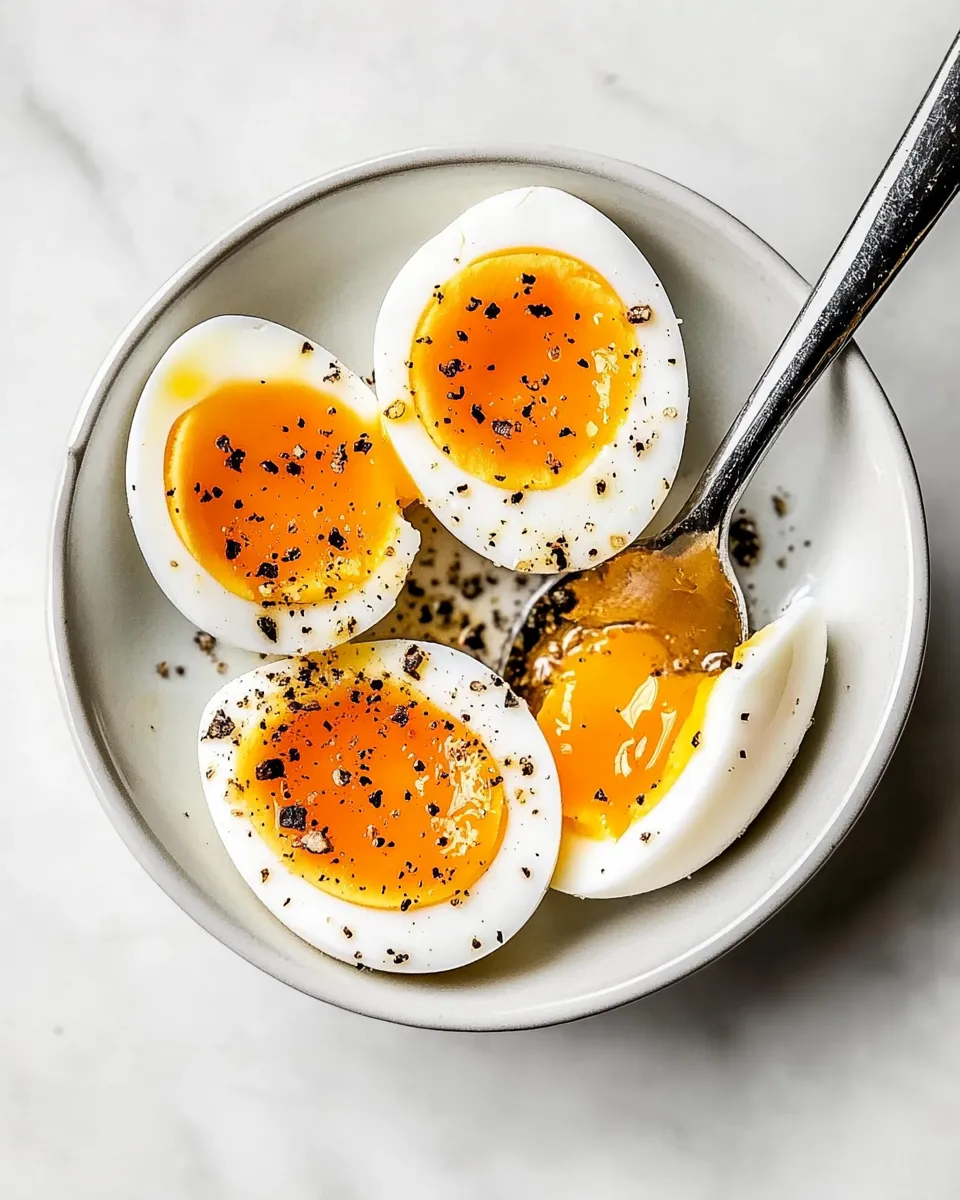
There’s something undeniably comforting about a soft boiled egg. The delicate, creamy yolk paired with the tender whites can elevate almost any dish, from a simple toast to a fancy ramen bowl. Learning how to make soft boiled eggs is a skill worth mastering, and I promise it’s easier than you might think. Let’s dive into the how-to, tips, and tricks that will ensure your soft boiled eggs turn out perfect every time.
Why It Works Every Time
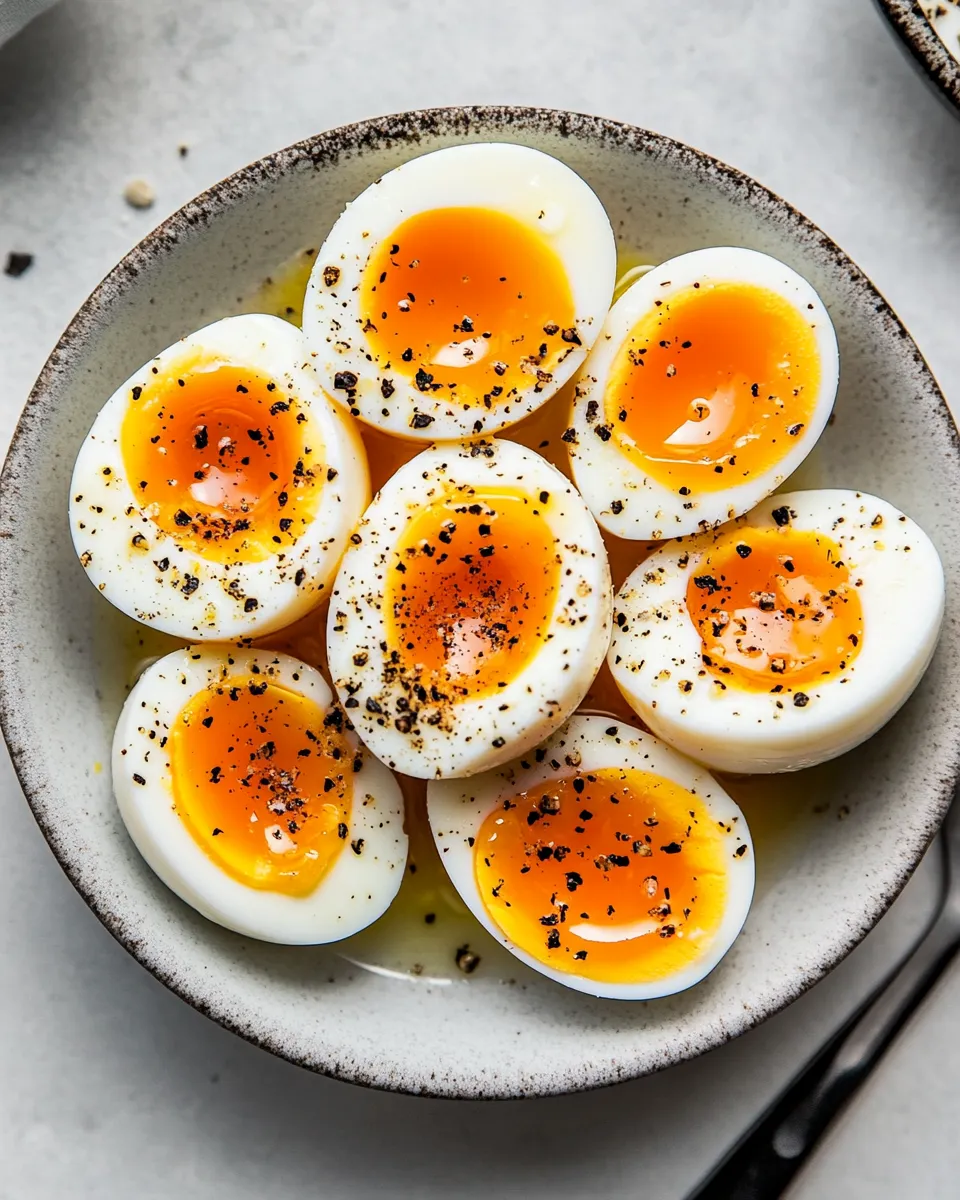
The secret to achieving the perfect soft boiled egg lies in timing and temperature. By starting with cold eggs from the refrigerator and using a precise cooking method, you can consistently achieve that ideal balance of cooked whites and runny yolks. The ice bath step is crucial as it halts the cooking process immediately, ensuring that your yolks remain soft and luscious. Trust me, once you get the hang of it, you’ll be adding soft boiled eggs to everything!
Ingredients at a Glance
- Eggs: Cold from the refrigerator for the best results.
- Water: For cooking the eggs.
- Ice Water: For creating an ice bath that stops the cooking process.
Gear Checklist
- Stainless Steel or Non-Stick Pot: A medium-sized pot works best for boiling eggs.
- Slotted Spoon: This will help you transfer the eggs to the ice bath easily.
- Ice Bath Bowl: A bowl filled with ice water to cool down the eggs quickly.
How To Make Soft Boiled Eggs — Do This Next
Step 1: Prepare Your Ingredients
Start by gathering your cold eggs, water, and ice for the bath. You can use as many eggs as you’d like, but make sure not to overcrowd the pot.
Step 2: Boil the Water
Fill a medium-sized pot with enough water to cover the eggs by about an inch. Bring the water to a boil over medium-high heat.
Step 3: Add the Eggs
Once the water is boiling, gently lower the cold eggs into the pot using a slotted spoon. Be careful not to crack them!
Step 4: Start Timing
For perfectly soft boiled eggs, set a timer for 6 to 7 minutes. The exact time will depend on how runny you prefer your yolks—6 minutes for a very runny yolk, and 7 minutes for a slightly firmer one.
Step 5: Prepare the Ice Bath
While the eggs are boiling, prepare your ice bath by filling a bowl with ice and cold water. This step is essential for stopping the cooking process and ensuring your eggs don’t overcook.
Step 6: Transfer to Ice Bath
Once the timer goes off, quickly use the slotted spoon to remove the eggs from the boiling water and transfer them to the ice bath. Let them sit for about 5 minutes to cool.
Step 7: Peel and Serve
After they’ve cooled, gently tap the eggs on a hard surface to crack the shell, then peel them under running water for easier removal. Serve your soft boiled eggs warm, seasoned with salt and pepper, or on top of your favorite dishes like Breakfast Nachos.
Holiday-Friendly Variations
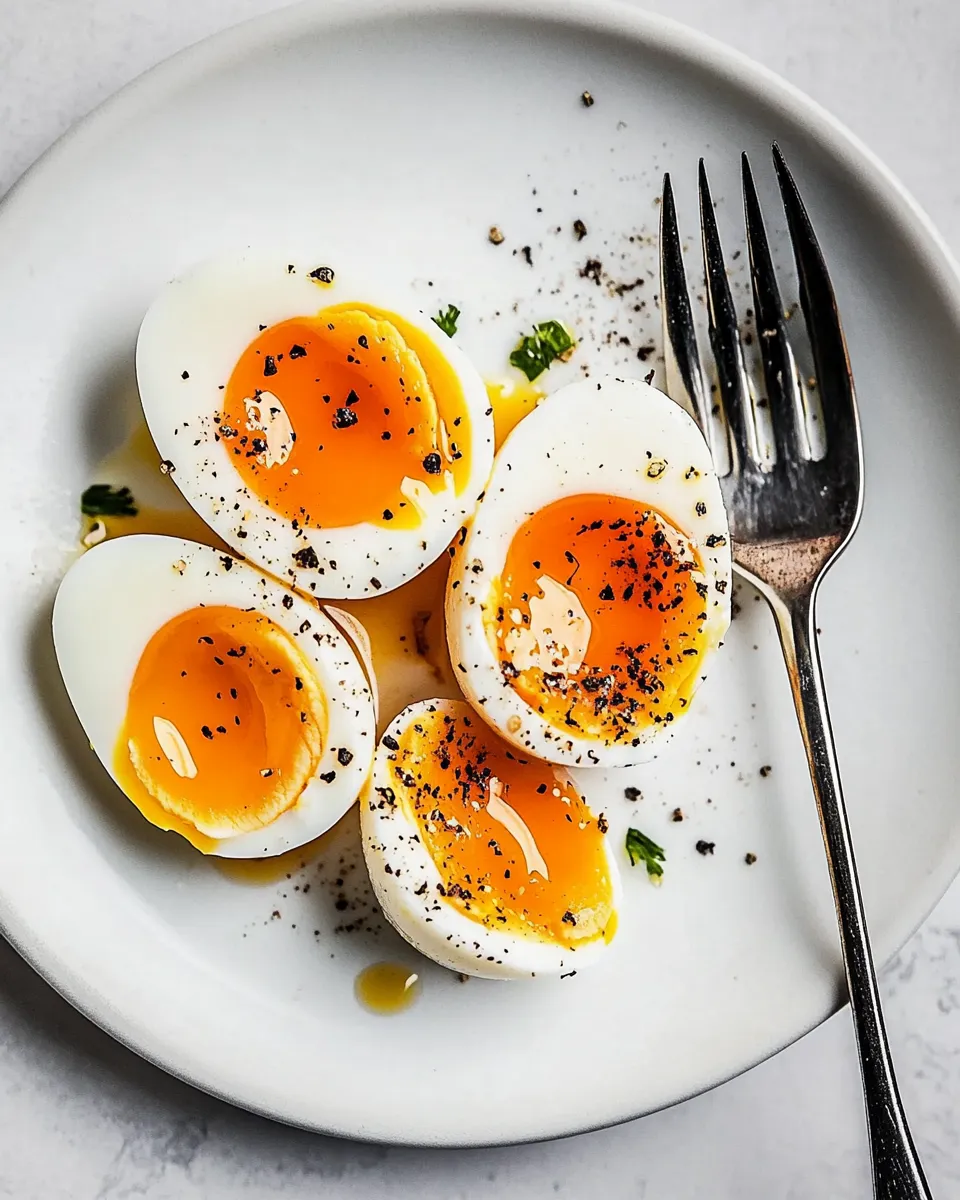
- Top your eggs with truffle oil and fresh herbs for a gourmet touch.
- Serve with a side of Cilantro Lime Rice for a fresh and zesty meal.
- Incorporate them into a festive salad with roasted vegetables and a tangy dressing.
- Pair with avocado toast and a sprinkle of chili flakes for a satisfying brunch option.
Author’s Commentary
Soft boiled eggs are one of those versatile ingredients that can be used in a myriad of dishes. From breakfast to dinner, they can add a delightful touch of creaminess. I often find myself experimenting with different seasonings and pairings, which is why I love to keep this simple recipe on hand. Once you’ve mastered the basic method, the variations are endless. Whether you want to keep it classic or try something new, soft boiled eggs can easily adapt to your culinary whims.
Storing, Freezing & Reheating
Soft boiled eggs are best enjoyed fresh, but if you have leftovers, you can store them in the refrigerator for up to 2 days. Just be sure to keep them in their shells to maintain freshness. Reheating is not recommended, as it can result in overcooked eggs. Instead, enjoy your soft boiled eggs cold in salads or as a quick snack.
Top Questions & Answers
Can I use room temperature eggs instead of cold eggs?
Yes, but cold eggs from the refrigerator yield better results in terms of texture. If you use room temperature eggs, reduce the cooking time by about 30 seconds to avoid overcooking.
How do I know when my eggs are done?
The best way to know is by timing! A cooking time of 6 to 7 minutes will give you the perfect soft yolk. You can also gently shake the egg; if it feels slightly jiggly, it’s likely soft boiled.
What’s the best way to peel soft boiled eggs?
Peeling soft boiled eggs can be tricky. To make it easier, peel them under running water, which helps to loosen the shell. You can also try tapping the eggs gently on a hard surface to create cracks before peeling.
Can I make soft boiled eggs in advance for meal prep?
While it’s best to enjoy them fresh, you can make them in advance and store them in the fridge for up to 2 days. Just be mindful that they won’t be as creamy when reheated.
What to Make After This
Final Thoughts
Perfectly crafted soft boiled eggs can transform a meal from ordinary to extraordinary. Their creamy yolks and tender whites are not only delicious but also incredibly versatile. Whether you enjoy them solo, on toast, or as a topping for a salad, knowing how to make soft boiled eggs is an essential skill for any home cook. So grab those eggs, start boiling, and enjoy the delightful simplicity of this timeless dish.
How To Make Soft Boiled Eggs
Ingredients
Equipment
Method
- Step 1: Prepare Your Ingredients - Gather your cold eggs, water, and ice for the bath. Ensure not to overcrowd the pot.
- Step 2: Boil the Water - Fill a medium-sized pot with enough water to cover the eggs by about an inch. Bring the water to a boil over medium-high heat.
- Step 3: Add the Eggs - Once the water is boiling, gently lower the cold eggs into the pot using a slotted spoon, being careful not to crack them.
- Step 4: Start Timing - Set a timer for 6 to 7 minutes for perfectly soft boiled eggs. 6 minutes for a very runny yolk, 7 minutes for a slightly firmer one.
- Step 5: Prepare the Ice Bath - While the eggs are boiling, prepare your ice bath by filling a bowl with ice and cold water.
- Step 6: Transfer to Ice Bath - Use the slotted spoon to remove the eggs from the boiling water and transfer them to the ice bath. Let them sit for about 5 minutes to cool.
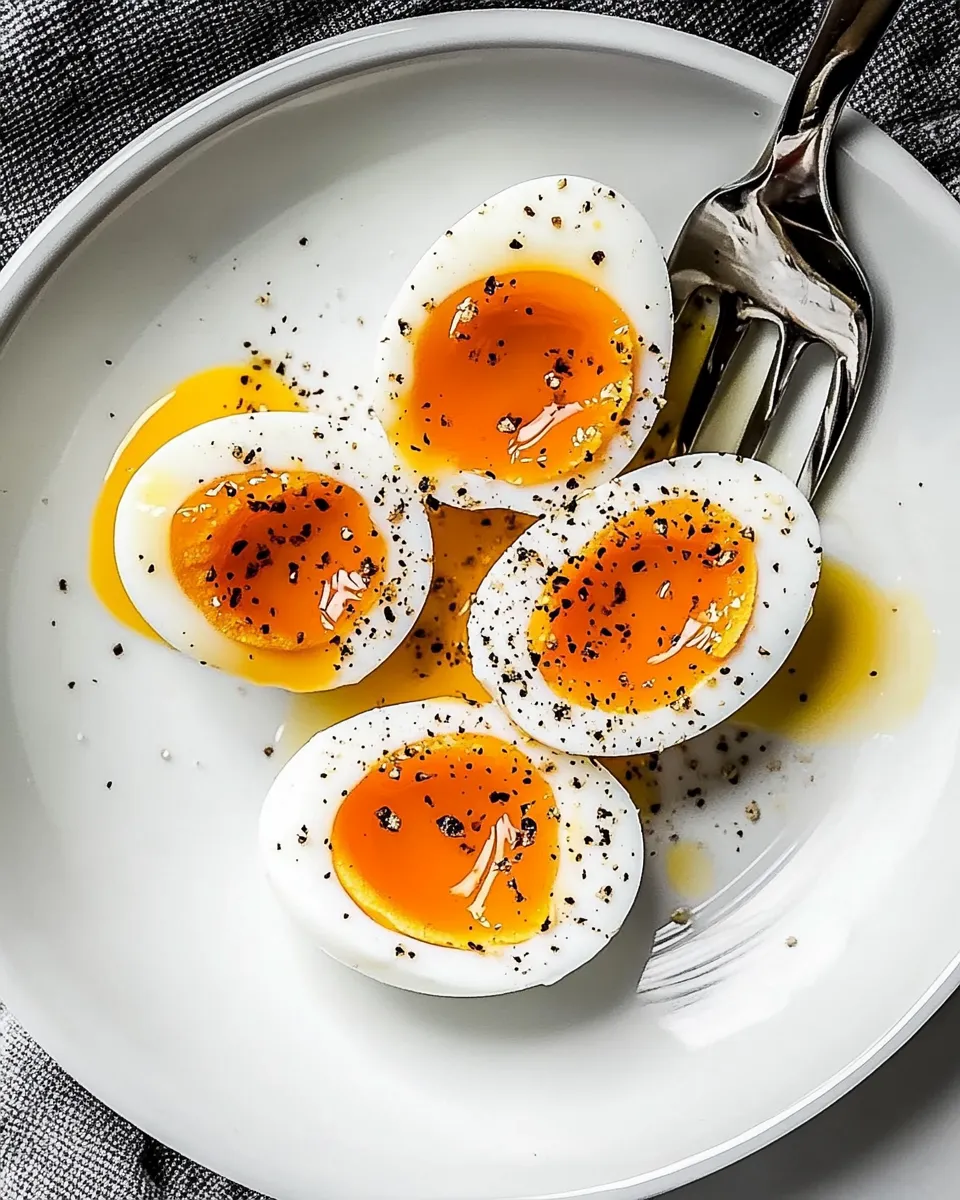
- Step 7: Peel and Serve - Gently tap the eggs on a hard surface to crack the shell, then peel them under running water. Serve warm, seasoned with salt and pepper.
Notes
- Store leftover soft boiled eggs in the refrigerator for up to 2 days in their shells for freshness.
- For easier peeling, crack the eggs gently on a hard surface before peeling them under running water.
- Experiment with toppings like truffle oil or fresh herbs to elevate your dish.