Sauted Vegetables
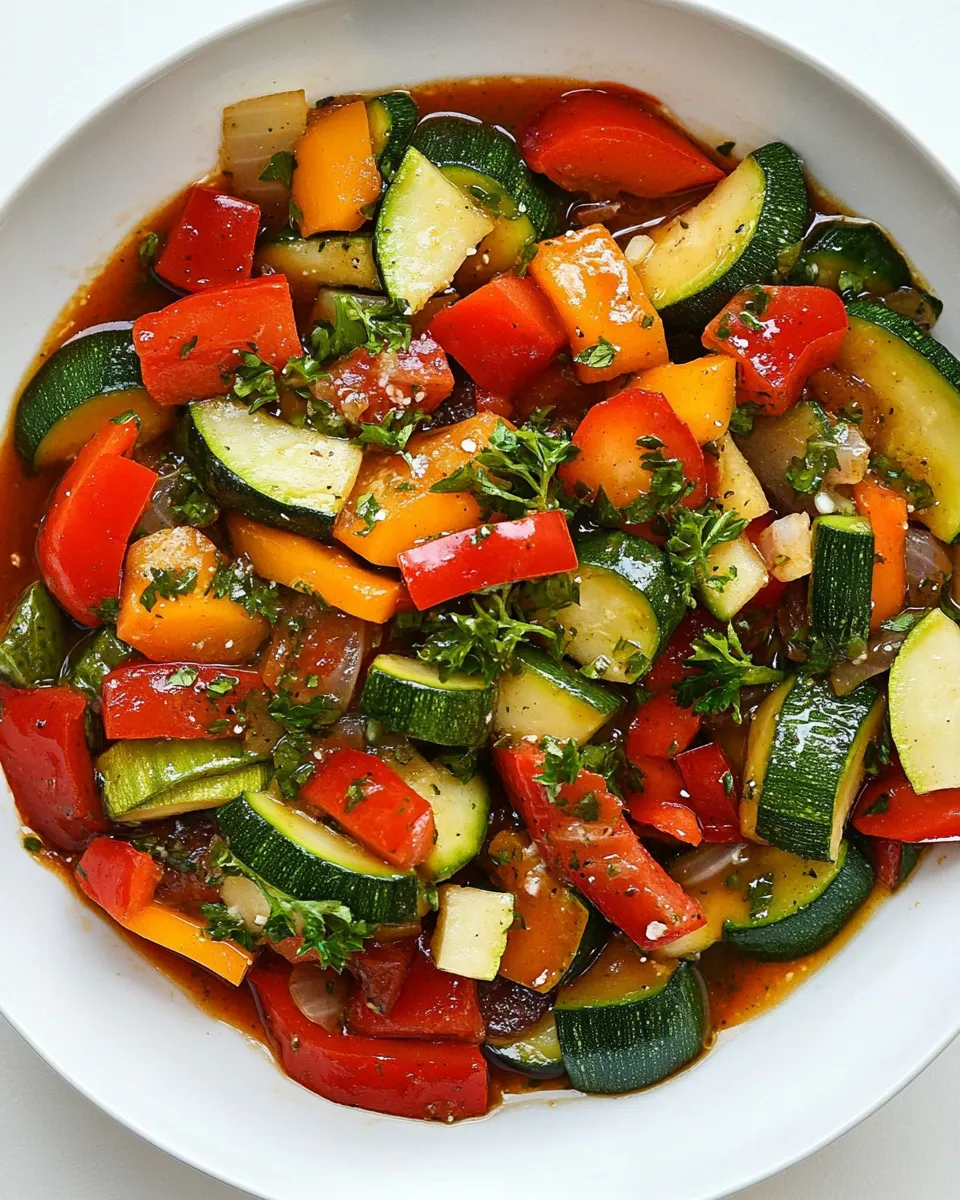
Sauted vegetables are a delightful way to incorporate vibrant flavors and nutrition into your meals. This dish is not only colorful and delicious but also incredibly versatile, allowing you to mix and match your favorite veggies. With just a handful of ingredients, you can whip up a quick and healthy side dish that pairs perfectly with any main course. Whether you’re looking to elevate a simple weeknight dinner or prepare a stunning dish for guests, sauted vegetables are your answer.
Why It’s My Go-To
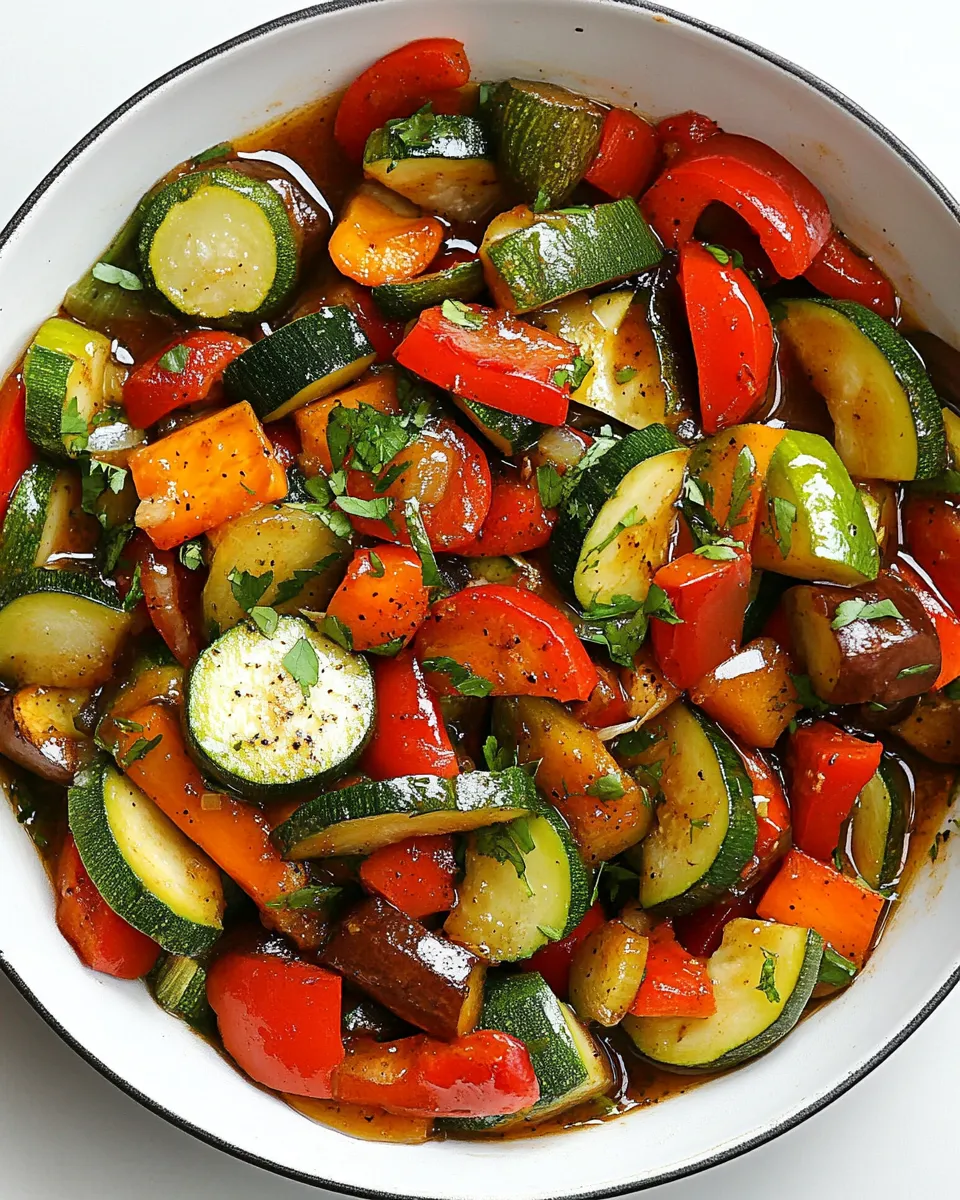
Sauted vegetables have become a staple in my kitchen for many reasons. First and foremost, they are quick to prepare, making them perfect for busy weeknights when time is of the essence. The combination of fresh ingredients brings out the natural sweetness and flavors of the vegetables, creating a mouthwatering side that feels gourmet without the fuss. Plus, it’s a fantastic way to use up any leftover vegetables in your fridge. It’s a dish that embraces creativity and encourages you to experiment!
What You’ll Gather
- 2 tablespoons olive oil
- 1/2 medium red onion, chopped
- 2 medium carrots, peeled and sliced
- 1 medium red bell pepper, chopped
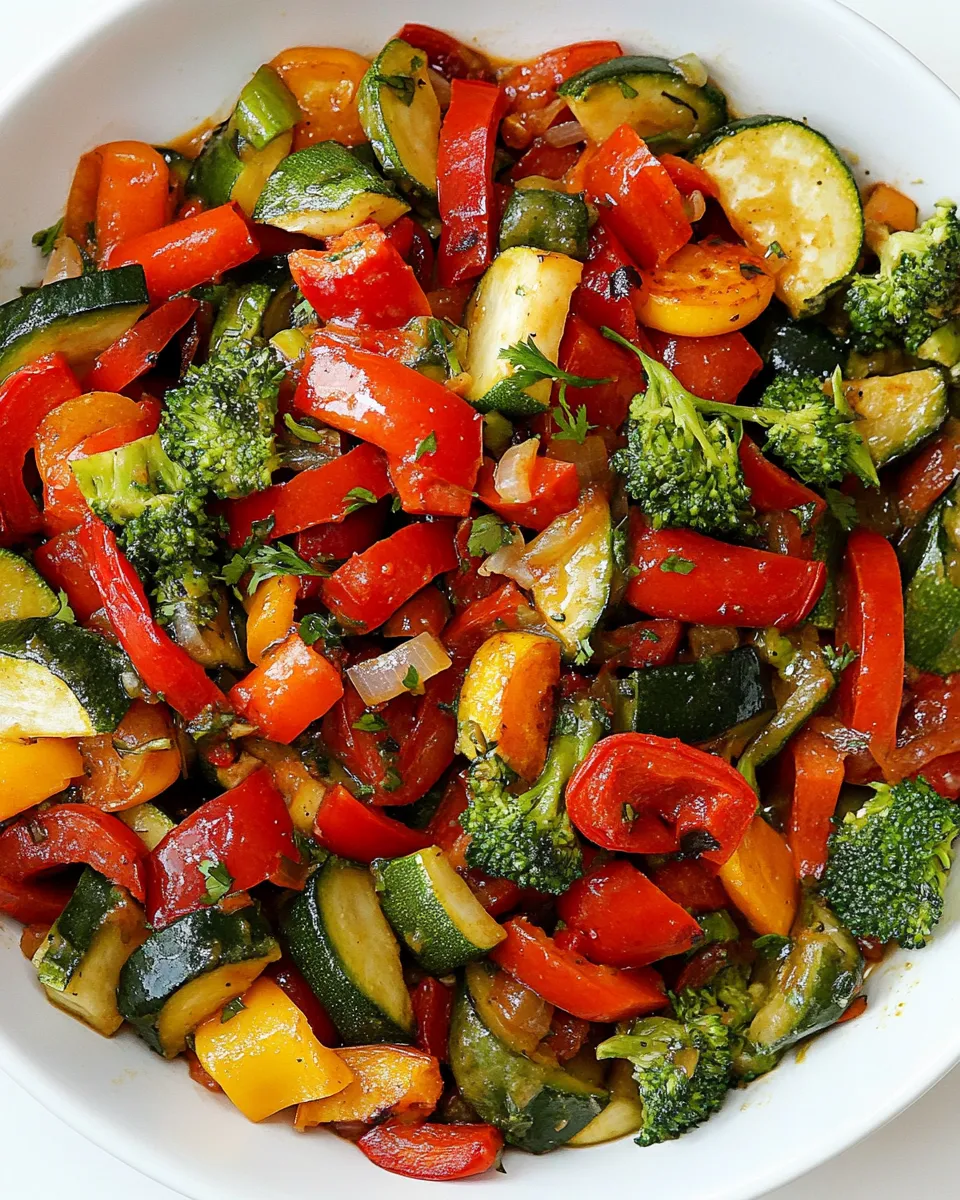
- 2 cups broccoli florets, cut into bite-size pieces
- 1 medium zucchini, sliced
- 1 tablespoon garlic, minced
- 1 teaspoon fresh thyme leaves
- Salt and black pepper to taste
- 2 tablespoons fresh parsley, chopped
- 1 tablespoon fresh lemon juice
Equipment at a Glance
- Large skillet: Ideal for even cooking and allowing the vegetables to brown beautifully.
- Spatula: For stirring and flipping the vegetables with ease.
- Chopping board and knife: Essential for prepping your veggies.
Sauted Vegetables: Step-by-Step Guide
Step 1: Prepare Your Vegetables
Start by washing and chopping all your vegetables as listed. Having everything prepped and ready to go will make the cooking process smoother and quicker.
Step 2: Heat the Oil
In a large skillet, heat 2 tablespoons of olive oil over medium heat. Allow the oil to warm up for a minute until it shimmers, but be careful not to let it smoke.
Step 3: Sauté the Onions
Add the chopped red onion to the skillet. Sauté for about 2-3 minutes until the onion becomes translucent and fragrant.
Step 4: Add Carrots and Bell Pepper
Next, toss in the sliced carrots and chopped red bell pepper. Cook for an additional 3-4 minutes, stirring occasionally until the carrots start to soften.
Step 5: Introduce the Broccoli and Zucchini
Add the broccoli florets and sliced zucchini to the skillet. Continue to sauté for another 4-5 minutes, or until all the vegetables are tender but still crisp.
Step 6: Add Garlic and Thyme
Stir in the minced garlic and fresh thyme leaves. Cook for about 1-2 minutes until the garlic is fragrant but not browned, as burnt garlic can turn bitter.
Step 7: Season and Finish
Season with salt and black pepper to taste. Remove the skillet from heat, and stir in the fresh parsley and lemon juice for a burst of brightness.
Quick Replacement Ideas
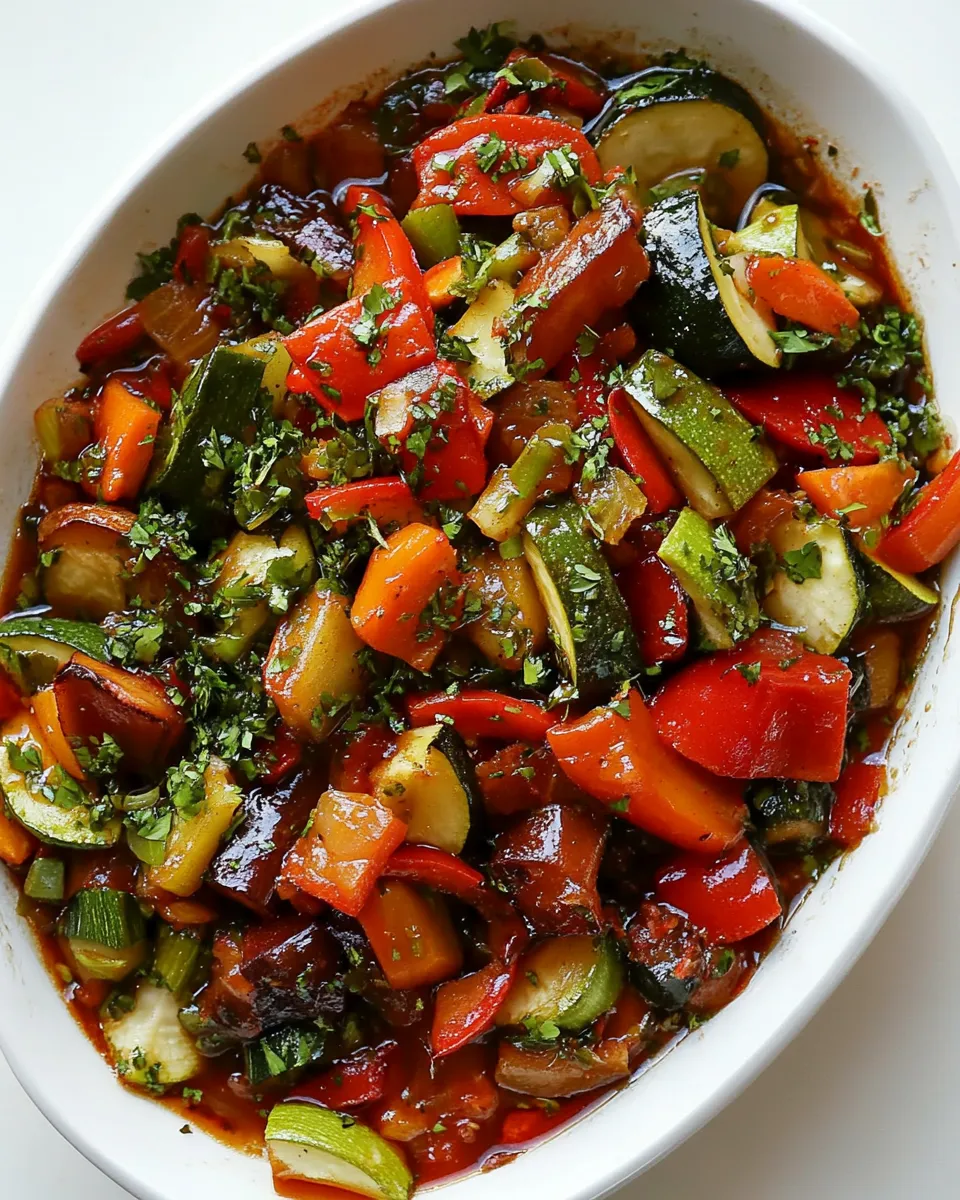
- Swap broccoli for asparagus or snap peas for a different texture.
- Use yellow bell pepper instead of red for a sweeter flavor.
- Try spinach or kale in place of zucchini for a leafy twist.
- Replace thyme with oregano or basil for a different herbaceous note.
Behind-the-Scenes Notes
- This dish is incredibly forgiving. Feel free to adjust the amounts of each vegetable based on your preferences or what you have on hand.
- For a heartier version, consider adding a protein like chickpeas or tofu towards the end of cooking.
- Don’t hesitate to experiment with spices, like a pinch of red pepper flakes for heat or a dash of soy sauce for umami.
Keep-It-Fresh Plan
These sauted vegetables are best enjoyed fresh, but you can store leftovers in an airtight container in the refrigerator for up to 3 days. Reheat in a skillet over medium heat until warmed through. For meal prep, consider making a larger batch and use it throughout the week as a side dish or toss it into salads and grain bowls.
Questions People Ask
Can I use frozen vegetables for this recipe?
Yes! Frozen vegetables can be a convenient alternative. Just remember to adjust the cooking time since they may release more moisture than fresh vegetables.
What other vegetables work well for sauting?
Many vegetables are great for sauting, including bell peppers, green beans, eggplant, and mushrooms. Feel free to get creative with your choices!
Can I add spices for extra flavor?
Absolutely! Adding spices like cumin, paprika, or even curry powder can elevate the flavor profile of your sauted vegetables.
Is this recipe vegan-friendly?
Yes, this sauted vegetable recipe is completely plant-based and vegan-friendly, making it suitable for various dietary preferences.
You Might Also Like
Make It Tonight
Now that you have all the details, it’s time to bring some color and nutrition to your table with these sauted vegetables. Whether it’s a simple weeknight dinner or a part of a more elaborate meal, this dish will surely delight your taste buds and nourish your body. So grab your skillet, and let’s get cooking! Enjoy every bite of those vibrant, sauted vegetables that are bursting with flavor and health benefits.
The beauty of this recipe lies in its simplicity and adaptability. Feel free to make it your own, and don’t forget to share your creations. Happy cooking!
Sauted Vegetables
Ingredients
Equipment
Method
- Start by washing and chopping all your vegetables as listed. Having everything prepped and ready to go will make the cooking process smoother and quicker.
- In a large skillet, heat 2 tablespoons of olive oil over medium heat. Allow the oil to warm up for a minute until it shimmers, but be careful not to let it smoke.
- Add the chopped red onion to the skillet. Sauté for about 2-3 minutes until the onion becomes translucent and fragrant.
- Next, toss in the sliced carrots and chopped red bell pepper. Cook for an additional 3-4 minutes, stirring occasionally until the carrots start to soften.
- Add the broccoli florets and sliced zucchini to the skillet. Continue to sauté for another 4-5 minutes, or until all the vegetables are tender but still crisp.
- Stir in the minced garlic and fresh thyme leaves. Cook for about 1-2 minutes until the garlic is fragrant but not browned, as burnt garlic can turn bitter.
- Season with salt and black pepper to taste. Remove the skillet from heat, and stir in the fresh parsley and lemon juice for a burst of brightness.
Notes
- This dish is incredibly forgiving. Feel free to adjust the amounts of each vegetable based on your preferences or what you have on hand.
- For a heartier version, consider adding a protein like chickpeas or tofu towards the end of cooking.
- Don’t hesitate to experiment with spices, like a pinch of red pepper flakes for heat or a dash of soy sauce for umami.