Sourdough Pizza Dough Recipe
There’s something truly magical about making pizza at home, and when you incorporate a sourdough starter into your pizza dough, the flavor elevates to a whole new level. This Sourdough Pizza Dough Recipe is not only easy to follow but also yields a crust that is crispy on the outside and chewy on the inside, with that delightful tang only sourdough can provide. Whether you’re planning a cozy night in with friends or a family pizza party, this recipe will surely impress.
Why It’s My Go-To

This Sourdough Pizza Dough Recipe has become my go-to because it perfectly balances convenience and flavor. Using an active sourdough starter not only adds depth to the crust but also allows for a more forgiving fermentation process. The long fermentation enhances the dough’s texture and makes it easier to digest, which is a win-win in my book. Plus, the aroma that fills your kitchen when you bake it is simply irresistible!
What You’ll Gather
To get started, gather the following ingredients:
- 500 grams (4.17 cups) of 00 flour, all-purpose, or bread flour: This will form the base of your dough.
- 12 grams (2 tsp) of fine sea salt: Essential for flavor.
- 335 grams (1.4 cups) of filtered water: Room temperature is best for optimal fermentation.
- 100 grams (1/2 cup) of active sourdough starter: This is what gives the dough its unique flavor.
- Semolina flour: For dusting your pizza peel to prevent sticking.
Prep & Cook Tools
Before you begin, make sure you have these tools on hand:
- Mixing bowl: To combine your ingredients.
- Dough scraper: Helpful for handling sticky dough.
- Kitchen scale: For precise measurements.
- Pizza peel: To transfer your pizza to and from the oven.
- Pizza stone or baking sheet: For baking the pizza.
Mastering Sourdough Pizza Dough Recipe: How-To

Now, let’s dive into the steps to create your perfect sourdough pizza dough.
Step 1: Combine the Ingredients
In a large mixing bowl, add the 500 grams of flour and 12 grams of sea salt. Mix them together until combined. In a separate bowl, combine the 335 grams of filtered water and the 100 grams of active sourdough starter. Stir until well mixed.
Step 2: Mix the Dough
Pour the water and starter mixture into the flour mixture. Using your hands or a dough scraper, mix until no dry flour remains. The dough will be quite sticky, which is perfectly fine.
Step 3: Autolyse
Cover the bowl with a damp towel and let it rest for about 30 minutes. This process, known as autolyse, allows the flour to fully hydrate and helps develop the gluten structure.
Step 4: Knead
After the autolyse period, knead the dough in the bowl for about 5-7 minutes until it becomes smooth and elastic. If the dough sticks too much to your hands, wet them slightly or use a dough scraper.
Step 5: Bulk Fermentation
Transfer the dough to a lightly greased bowl, cover it, and let it rise at room temperature for 4 to 6 hours, or until it has doubled in size. During this time, you can stretch and fold the dough every hour to strengthen it.
Step 6: Divide and Pre-shape
Once the dough has risen, turn it out onto a floured surface. Divide it into two equal portions for larger pizzas or four for personal-sized pizzas. Pre-shape each portion into a ball and let them rest for about 30 minutes, covered with a towel.
Step 7: Shape the Pizza
After resting, take one ball of dough and gently stretch it out on a floured surface, forming your pizza crust. Aim for a thickness of about 1/4 inch. Be sure to create a slightly thicker edge for the crust.
Step 8: Prepare for Baking
Dust your pizza peel with semolina flour to prevent sticking. Carefully transfer your shaped dough onto the peel. Add your favorite sauce, cheese, and toppings.
Step 9: Bake the Pizza
Preheat your oven to its highest setting, around 475°F (245°C), and place a pizza stone inside if you have one. Once the oven is ready, slide the pizza onto the stone or baking sheet. Bake for about 10-12 minutes or until the crust is golden brown and the cheese is bubbly.
Adaptations for Special Diets

If you need to make adjustments for specific dietary preferences, consider the following:
- Gluten-free: Substitute the 00 flour with a gluten-free all-purpose flour blend.
- Whole wheat: Use whole wheat flour in place of some or all of the white flour for a heartier crust.
- Vegan: This recipe is naturally vegan, so you’re all set!
Things That Go Wrong
Even the best bakers face challenges. Here are some common pitfalls and how to avoid them:
- Sticky dough: If your dough is too sticky, it may need more flour during kneading or resting.
- Flat pizza: Ensure your dough has risen enough during bulk fermentation to achieve a nice puff when baking.
- Undercooked crust: Make sure your oven is preheated adequately, and consider using a pizza stone for better heat distribution.
Save for Later: Storage Tips
If you have leftover dough or want to prepare in advance, here’s how to store it:
You can refrigerate the dough for up to 3 days. Just make sure to place it in an airtight container. For longer storage, you can freeze the shaped dough balls. Wrap them tightly in plastic wrap and place them in a freezer bag. When ready to use, thaw in the fridge overnight, then allow to come to room temperature before shaping.
Popular Questions
Can I use all-purpose flour instead of 00 flour?
Absolutely! All-purpose flour will yield a slightly different texture but will still create a delicious pizza crust.
How long does the dough need to ferment?
The dough should bulk ferment for about 4 to 6 hours, or until it has doubled in size. Temperature and starter activity can affect this time.
Can I make the dough ahead of time?
Yes! You can prepare the dough and let it rise, then refrigerate it for up to 3 days or freeze it for later use.
What toppings work best with sourdough pizza dough?
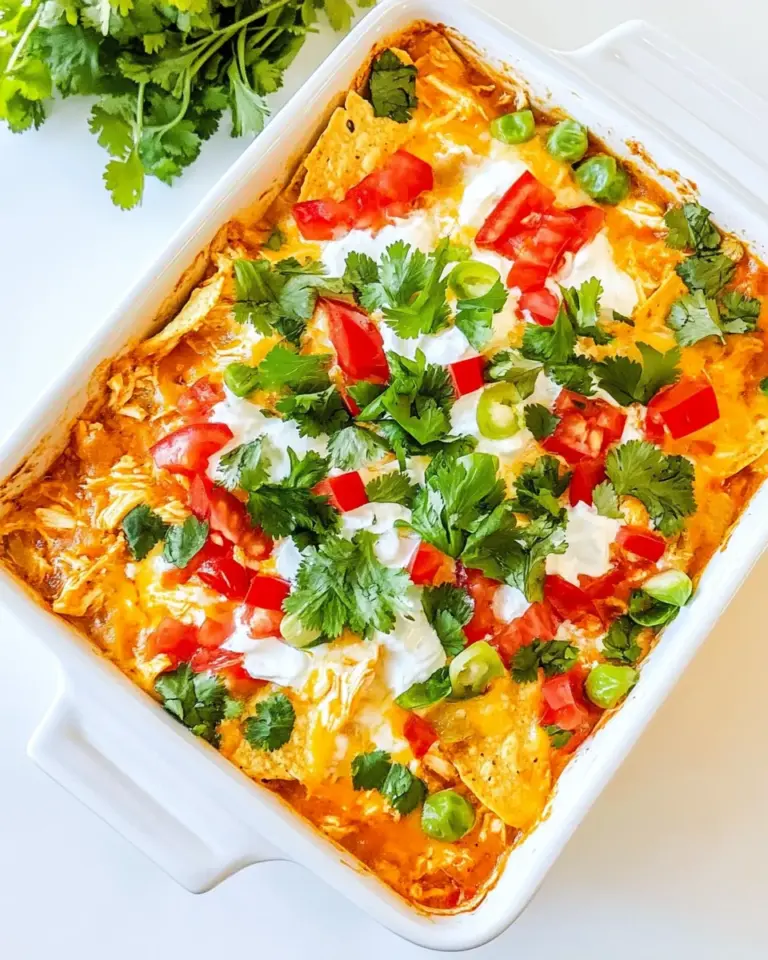
The possibilities are endless! For a classic, try mozzarella and basil. For something unique, I highly recommend a Homemade Bbq Chicken Pizza or a Chicken Enchilada Pizza!
One Pan, More Ideas
If you love making your own dough, try these delicious recipes for inspiration:
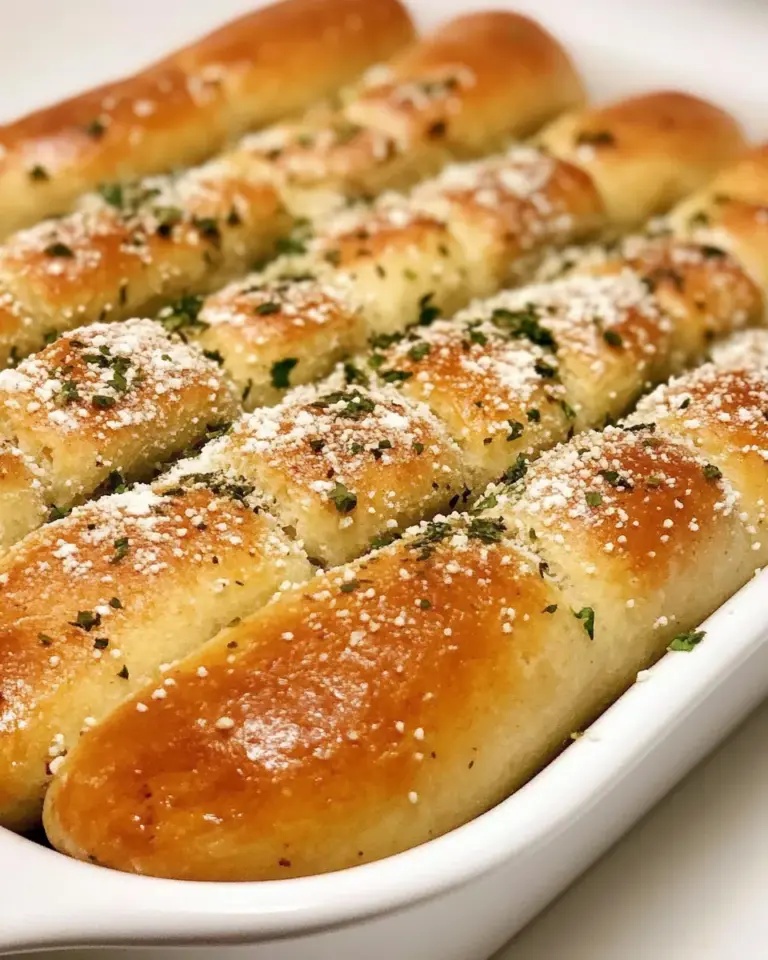
- Easy Yeast Rolls – Perfect for dinner rolls or sliders.
- Homemade Bbq Chicken Pizza – A crowd-pleaser for any occasion.
- Chicken Enchilada Pizza – A fun twist on traditional pizza.
Time to Try It
Now that you have the ultimate Sourdough Pizza Dough Recipe at your fingertips, it’s time to roll up your sleeves and get baking! Enjoy the process, experiment with toppings, and savor the delightful results. You’ll be amazed at how easy it is to create restaurant-quality pizza right from your own kitchen.

Sourdough Pizza Dough Recipe
Ingredients
Equipment
Method
- In a large mixing bowl, add the 500 grams of flour and 12 grams of sea salt. Mix them together until combined. In a separate bowl, combine the 335 grams of filtered water and the 100 grams of active sourdough starter. Stir until well mixed.
- Pour the water and starter mixture into the flour mixture. Using your hands or a dough scraper, mix until no dry flour remains. The dough will be quite sticky, which is perfectly fine.
- Cover the bowl with a damp towel and let it rest for about 30 minutes. This process, known as autolyse, allows the flour to fully hydrate and helps develop the gluten structure.
- After the autolyse period, knead the dough in the bowl for about 5-7 minutes until it becomes smooth and elastic. If the dough sticks too much to your hands, wet them slightly or use a dough scraper.
- Transfer the dough to a lightly greased bowl, cover it, and let it rise at room temperature for 4 to 6 hours, or until it has doubled in size. During this time, you can stretch and fold the dough every hour to strengthen it.
- Once the dough has risen, turn it out onto a floured surface. Divide it into two equal portions for larger pizzas or four for personal-sized pizzas. Pre-shape each portion into a ball and let them rest for about 30 minutes, covered with a towel.
- After resting, take one ball of dough and gently stretch it out on a floured surface, forming your pizza crust. Aim for a thickness of about 1/4 inch. Be sure to create a slightly thicker edge for the crust.
- Dust your pizza peel with semolina flour to prevent sticking. Carefully transfer your shaped dough onto the peel. Add your favorite sauce, cheese, and toppings.
- Preheat your oven to its highest setting, around 475°F (245°C), and place a pizza stone inside if you have one. Once the oven is ready, slide the pizza onto the stone or baking sheet. Bake for about 10-12 minutes or until the crust is golden brown and the cheese is bubbly.
Notes
- For gluten-free, substitute 00 flour with a gluten-free blend.
- For a heartier crust, use whole wheat flour instead of white flour.
- Store leftover dough in an airtight container for up to 3 days.