How to Make Rotisserie Chicken
If you’ve ever walked by the rotisserie chicken section of your local grocery store, you know just how enticing those golden-brown birds can be. They are juicy, flavorful, and oh-so-convenient. But what if you could recreate that deliciousness right in your own kitchen? Making your own rotisserie chicken at home is not only possible but also incredibly satisfying. With just a few simple ingredients and some hands-on time, you can produce a meal that rivals any store-bought option. Let’s dive into the details of how to make rotisserie chicken that will leave your taste buds singing!
Reasons to Love How to Make Rotisserie Chicken
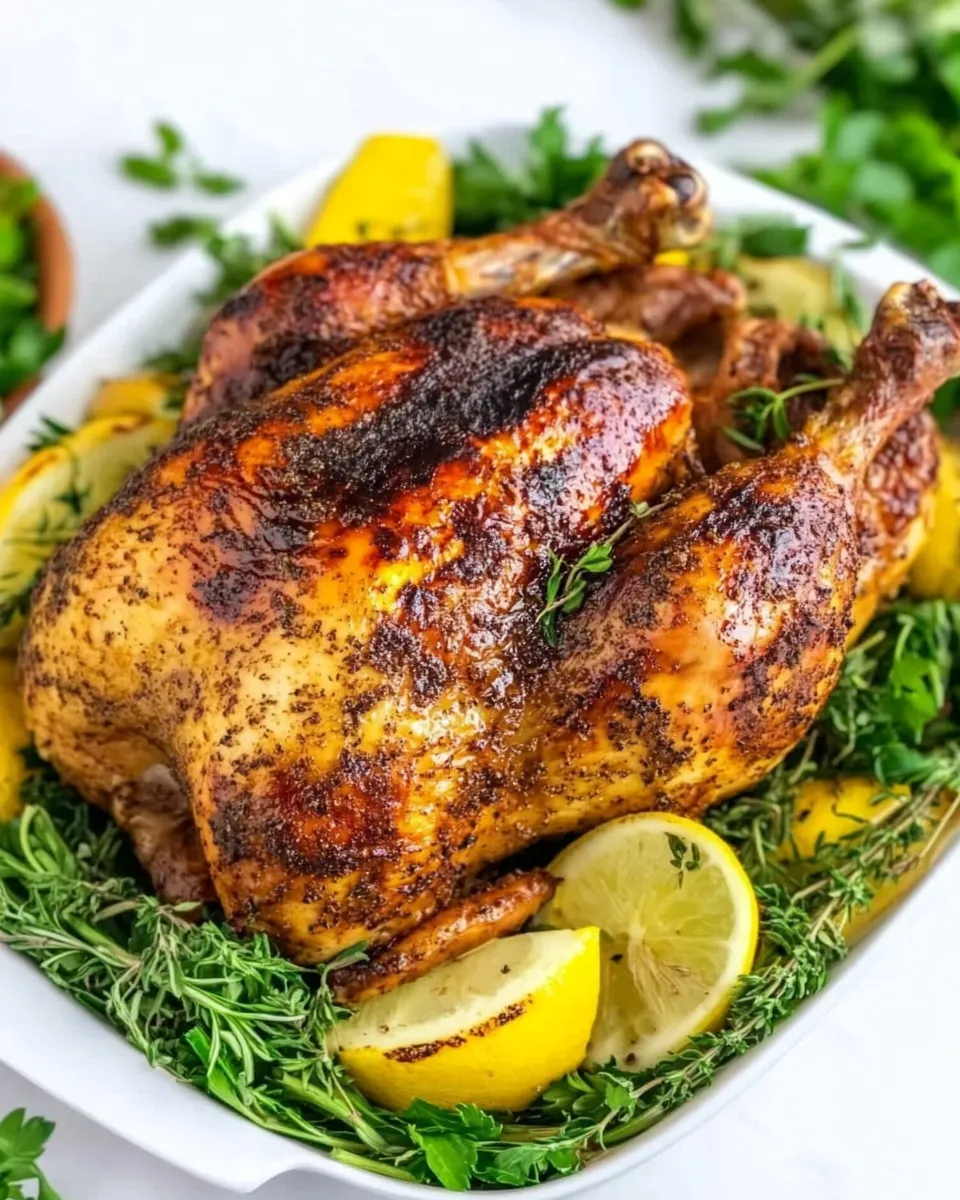
There are countless reasons to embrace making your own rotisserie chicken. Here are just a few:
- Flavor Control: You can customize the seasoning to suit your tastes.
- Healthier Option: You can avoid preservatives and unnatural additives.
- Cost-Effective: Making your own can be more economical than buying pre-cooked chicken.
- Versatile: The cooked chicken can be used in a variety of dishes, from salads to sandwiches.
- Impressive Presentation: A beautifully roasted chicken looks great on any dinner table.
What to Buy
When preparing to make your own rotisserie chicken, it’s essential to have the right ingredients. Here’s a detailed list of what you’ll need:
- 5-6 pound whole chicken: Make sure the giblets are removed for best results.
- 1 cup unsalted butter: One stick, softened at room temperature.
- 1 tablespoon kosher salt: For seasoning.
- 1 tablespoon ground paprika: To add color and flavor.
- 1 tablespoon garlic powder: For that savory kick.
- 1 tablespoon onion powder: Enhances the overall taste.
- 2 teaspoons ground black pepper: Adds a bit of heat.
- 1 teaspoon dried thyme: A classic herb to complement the chicken.
- 1 teaspoon brown sugar (optional): To balance flavors with a hint of sweetness.
Prep & Cook Tools
Having the right tools can make your cooking experience more enjoyable. Here’s what you’ll need:
- Roasting pan: A sturdy pan that can withstand high heat.
- Meat thermometer: Ensures your chicken is cooked to perfection.
- Aluminum foil: Useful for covering the chicken while it rests.
- Mixing bowl: For combining your butter and seasonings.
- Cooking twine: To tie the chicken legs together for even cooking.
How to Prepare How to Make Rotisserie Chicken
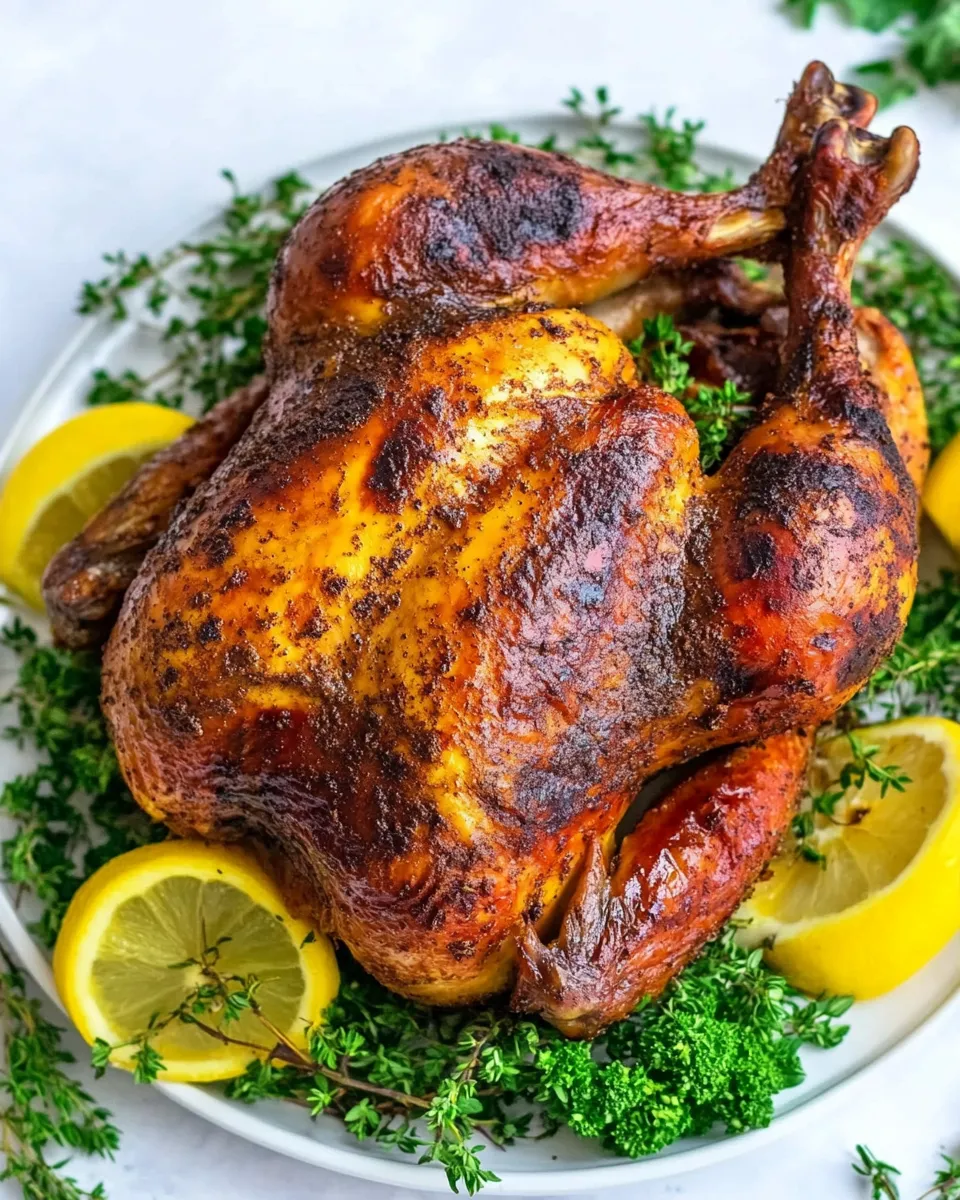
Now that you have everything ready, let’s get started with the step-by-step process of how to make rotisserie chicken.
Step 1: Preheat Your Oven
Preheat your oven to 375°F (190°C). This temperature is ideal for achieving golden-brown skin while keeping the meat juicy.
Step 2: Prepare the Chicken
Pat the chicken dry with paper towels. This helps achieve crispy skin. Place the chicken on a cutting board, breast side up.
Step 3: Make the Butter Mixture
In a mixing bowl, combine the softened butter, kosher salt, paprika, garlic powder, onion powder, black pepper, dried thyme, and brown sugar (if using). Mix until well combined.
Step 4: Season the Chicken
Carefully loosen the skin from the chicken breast using your fingers. Rub about half of the butter mixture directly onto the meat under the skin. Then, spread the remaining butter mixture all over the outside of the chicken, making sure to coat it evenly.
Step 5: Tie the Legs
Using cooking twine, tie the legs of the chicken together. This helps the chicken cook evenly and retain its shape.
Step 6: Place in Roasting Pan
Place the chicken breast side up in a roasting pan. If desired, you can add vegetables like carrots, potatoes, or onions around the chicken for additional flavor.
Step 7: Roast the Chicken
Roast the chicken in the preheated oven for approximately 1 hour and 20 minutes, or until the internal temperature reaches 165°F (75°C) in the thickest part of the breast and thighs. Baste the chicken with the pan juices halfway through cooking for extra moisture.
Step 8: Rest the Chicken
Once the chicken is cooked, remove it from the oven and tent it with aluminum foil. Allow it to rest for about 15-20 minutes. This helps the juices redistribute throughout the meat, making it more tender.
Step 9: Carve and Serve
Using a sharp knife, carve the chicken into pieces and serve with your favorite sides. Enjoy the juicy, flavorful chicken that you made yourself!
Make It Your Way
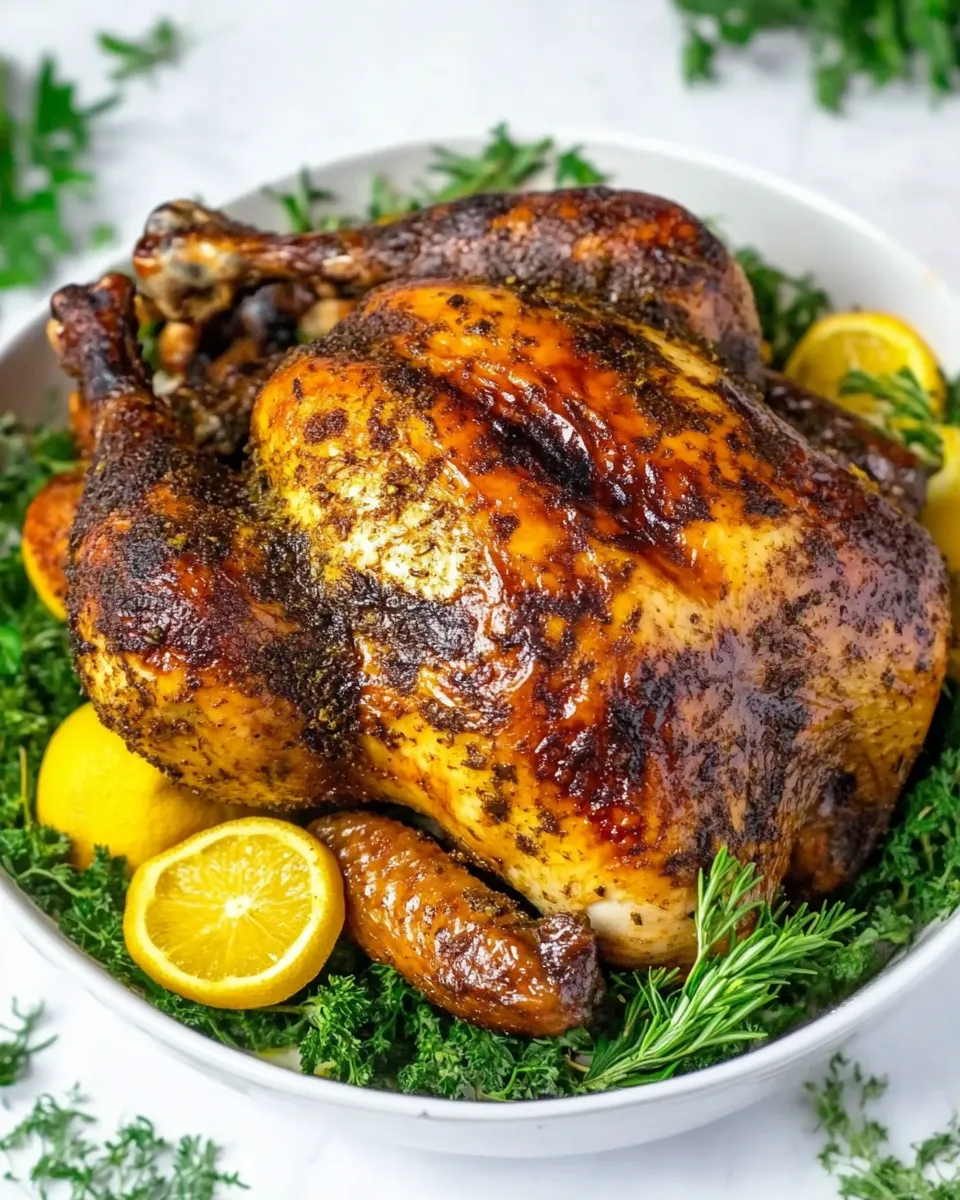
One of the best parts about cooking at home is the freedom to customize recipes to your liking. Here are some ideas to make this rotisserie chicken your own:
- Add fresh herbs like rosemary or sage to the butter mixture for a fragrant twist.
- Experiment with different spices such as cumin or cayenne pepper for a kick.
- Try a citrus twist by adding lemon or orange zest to the butter.
- Incorporate your favorite marinade into the butter for added flavor.
- Serve with a homemade Honey Garlic Chicken sauce for an extra layer of deliciousness.
Don’t Do This
To ensure your chicken turns out perfectly, here are some common pitfalls to avoid:
- Don’t skip drying the chicken; moisture will prevent crispy skin.
- Avoid overcooking; use a meat thermometer to check doneness.
- Do not neglect the resting time; this step is crucial for juicy meat.
- Don’t forget to season generously; the flavor is key to a delicious bird.
Freezer-Friendly Notes
If you find yourself with leftover rotisserie chicken, don’t worry! Here are some tips for freezing and storing:
- Shred or chop leftover chicken into bite-sized pieces before freezing.
- Store in an airtight container or freezer bag to prevent freezer burn.
- Label the container with the date for easy tracking.
- Frozen chicken can last up to 3 months; just defrost in the fridge before use.
Your Top Questions
Can I use a different type of chicken for this recipe?
Yes, you can use a smaller or larger chicken, but adjust the cooking time accordingly. A smaller chicken may take less time, while a larger one may need more.
What should I do if I don’t have a roasting pan?
You can use any oven-safe dish or even a skillet; just ensure it can handle the heat and has a bit of depth to catch the juices.
Can I make this chicken on the grill?
Absolutely! You can use indirect heat on the grill to achieve a similar result. Just be sure to monitor the temperature closely.
What are some recipes I can make with leftover chicken?
Leftover rotisserie chicken can be used in a variety of dishes! Try making Chicken Enchilada Pizza, chicken salad, or chicken soup.
Serve with These
To round out your meal, consider serving your rotisserie chicken with some of these delicious sides:
- Roasted vegetables
- Garlic mashed potatoes
- Fresh garden salad
- Rice pilaf
- Homemade coleslaw
Bring It Home
There you have it! A straightforward, delicious way to make your very own rotisserie chicken. With just a few ingredients and a little bit of time, you can create a dish that is not only satisfying but also far healthier than store-bought options. Whether you enjoy it for a family dinner or as a meal prep option for the week, this homemade rotisserie chicken is sure to be a hit. So roll up your sleeves, gather your ingredients, and get ready to impress yourself and your loved ones with this delightful dish!
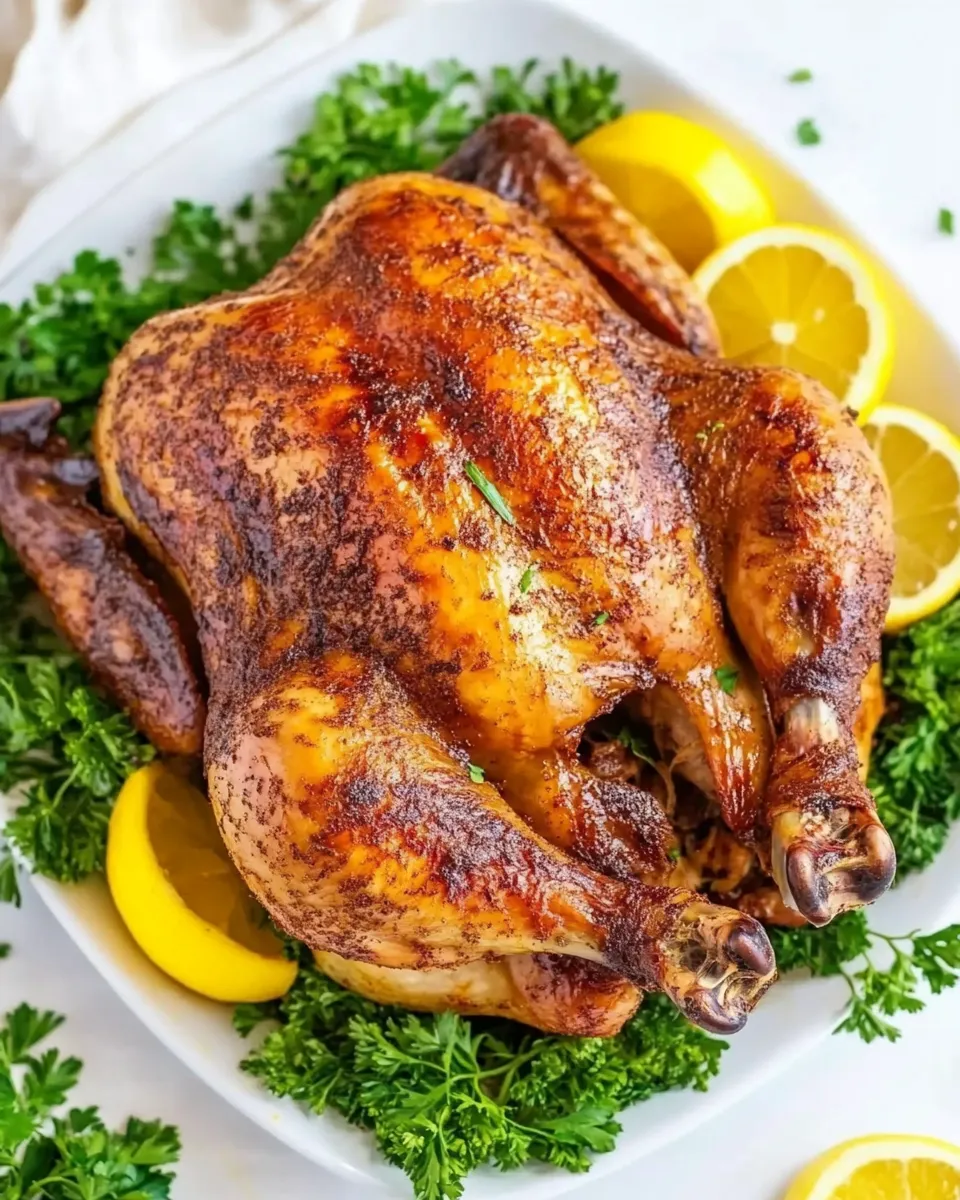
How to Make Rotisserie Chicken
Ingredients
Equipment
Method
- Step 1: Preheat your oven to 375°F (190°C).
- Step 2: Pat the chicken dry with paper towels and place it breast side up on a cutting board.
- Step 3: In a mixing bowl, combine the butter, salt, paprika, garlic powder, onion powder, black pepper, thyme, and brown sugar (if using). Mix until well combined.
- Step 4: Loosen the skin from the chicken breast and rub half of the butter mixture under the skin, then spread the remaining mixture over the chicken.
- Step 5: Tie the chicken legs together with cooking twine.
- Step 6: Place the chicken breast side up in a roasting pan and optionally add vegetables around it.
- Step 7: Roast the chicken for approximately 1 hour and 20 minutes or until the internal temperature reaches 165°F (75°C).
- Step 8: Remove from oven, tent with aluminum foil, and let it rest for about 15-20 minutes.
- Step 9: Carve the chicken and serve with your favorite sides.
Notes
- Customize the seasoning to your taste for unique flavors.
- Make sure to dry the chicken thoroughly for crispy skin.
- Don’t skip the resting time for juicy meat.