
Farmers Cheese Tvorog Recipe
If you’ve ever tried homemade cheese, you know the satisfaction that comes from transforming simple ingredients into something delicious. This Farmers Cheese Tvorog recipe embraces that spirit, letting you create a creamy, versatile cheese from just two ingredients: whole milk and cultured low-fat buttermilk. It’s perfect for spreading on toast, dolloping into salads, or incorporating into baked goods. Let’s dive into this delightful recipe that will have you making fresh cheese in your own kitchen!
Why You’ll Keep Making It
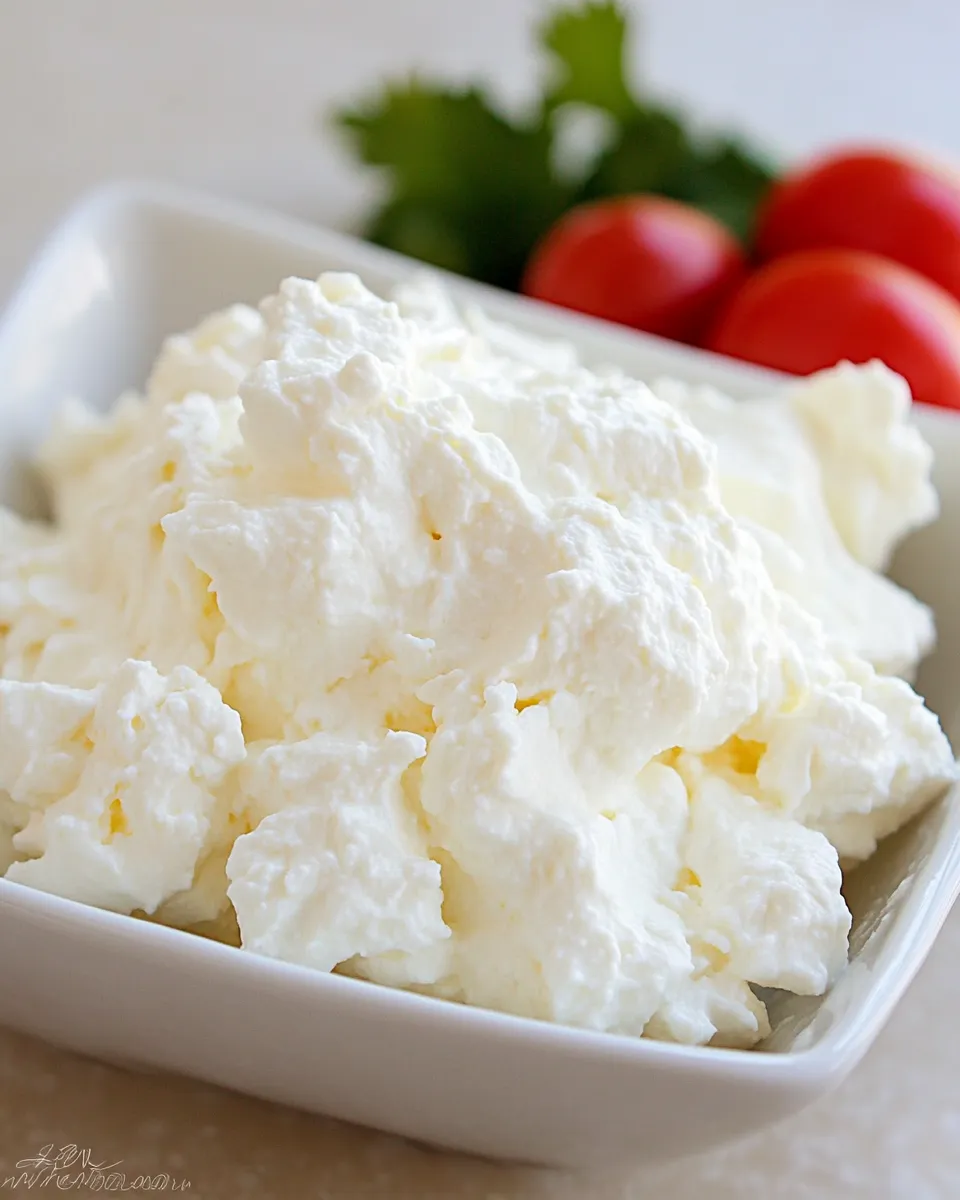
There’s something incredibly rewarding about making your own Farmers Cheese Tvorog. Not only is it simple and requires minimal ingredients, but it also allows you to control the flavor and texture. The resulting cheese is creamy and rich, with a slightly tangy flavor that elevates any dish. Plus, it can be used in a variety of recipes, from savory to sweet. Once you experience the joy of homemade cheese, you’ll find yourself reaching for this recipe again and again.
Ingredient List
- 1 gallon whole milk (room temperature; organic is best)
- 1/2 gallon cultured low-fat buttermilk
Cook’s Kit
- 4 layers of cheesecloth – for straining the curds
- Large pot – to heat the milk and buttermilk mixture
- Thermometer – to monitor the temperature
- Slotted spoon – for scooping out the curds
- Colander – to hold the cheesecloth and curds while draining
Make Farmers Cheese Tvorog Recipe: A Simple Method
Step 1: Prepare the Ingredients
Start by gathering your ingredients and equipment. Make sure your whole milk is at room temperature to help with curd formation.
Step 2: Combine Milk and Buttermilk
In a large pot, combine the gallon of room-temperature whole milk with the ½ gallon of cultured low-fat buttermilk. Stir gently to blend the two.
Step 3: Heat the Mixture
Place the pot over medium heat. Slowly heat the mixture to about 190°F (88°C), stirring occasionally to prevent scorching. You’ll notice the milk beginning to curdle as it heats.
Step 4: Let it Rest
Once the mixture reaches temperature, remove it from heat and let it sit undisturbed for about 10-15 minutes. This allows the curds to form fully.
Step 5: Prepare for Straining
While the curds are resting, line a colander with four layers of cheesecloth. Make sure there’s enough overhang to fold over the top once the curds are added.
Step 6: Strain the Curds
Using a slotted spoon, gently ladle the curds into the lined colander. Be careful not to break the curds too much. Allow the whey to drain for about 30 minutes.
Step 7: Gather and Squeeze
Once drained, gather the cheesecloth over the curds and twist it to remove any excess whey. You can adjust the moisture level to your liking by how much you squeeze.
Step 8: Season and Store
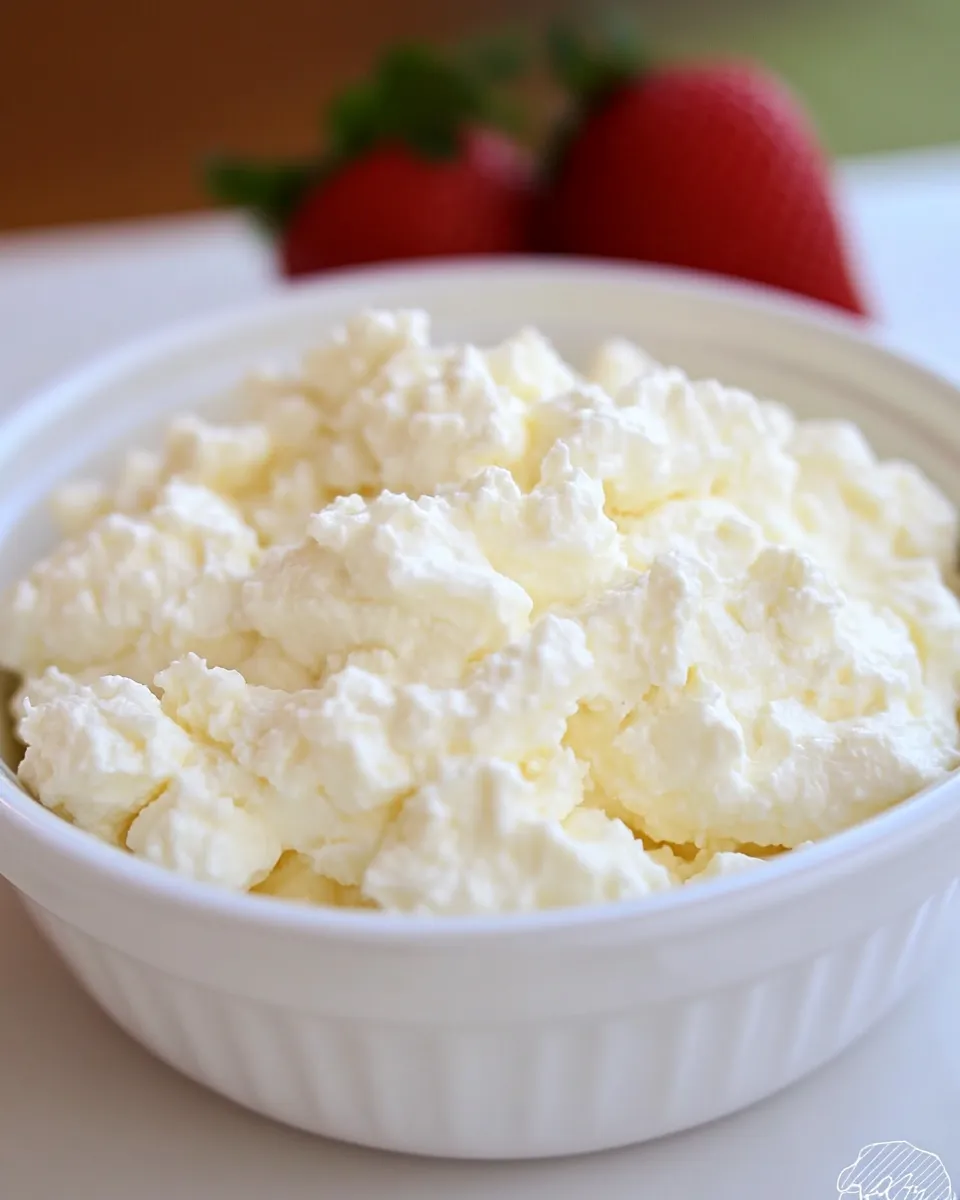
Transfer the strained cheese to a bowl. At this point, you can season it with salt or herbs to taste. Store it in an airtight container in the refrigerator, where it will keep for about a week.
Warm & Cool Weather Spins
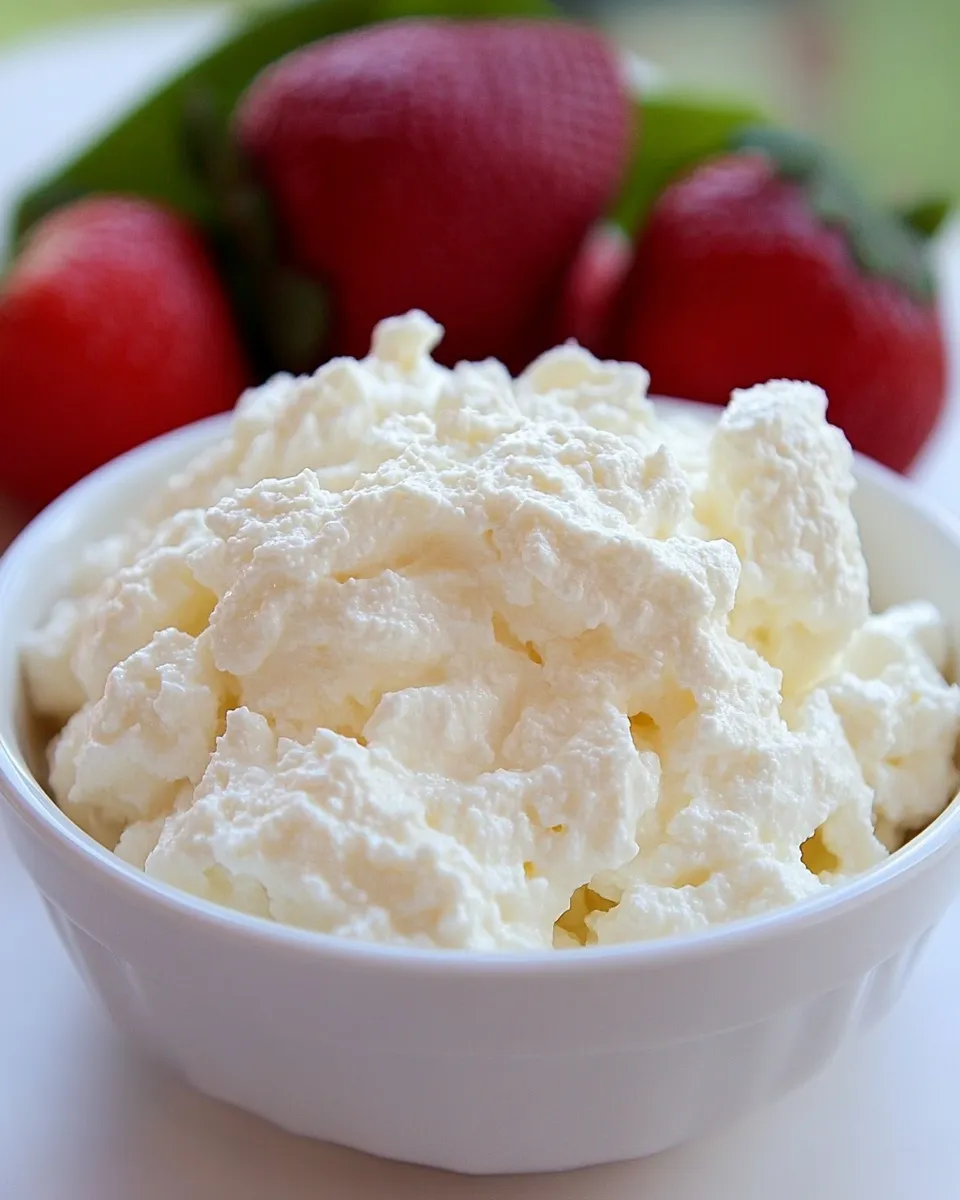
- In warm weather, consider adding fresh herbs like dill or chives to your Farmers Cheese Tvorog for a refreshing twist.
- In cooler months, try mixing in spices like smoked paprika or garlic powder for a heartier flavor.
- This cheese makes a great filling for pierogi or stuffed pasta, perfect for warming meals.
- Try pairing it with seasonal fruits for a delightful breakfast or snack.
Author’s Commentary
Making Farmers Cheese Tvorog at home is not just about the end product; it’s about the experience of creating something from scratch. Every time I make this recipe, I’m reminded of the beauty of simple ingredients coming together. The texture and taste are unmatched compared to store-bought options. Whether you spread it on a bagel or use it in a savory dish, it’s incredibly satisfying to know you made it yourself!
Keep-It-Fresh Plan
To keep your Farmers Cheese Tvorog fresh, store it in an airtight container in the refrigerator. It will last about a week, but it’s best enjoyed fresh. If you notice any separation, simply stir it back together before using. For longer storage, consider freezing it in small portions—just remember to thaw it in the refrigerator before use.
Reader Questions
Can I use skim or low-fat milk instead of whole milk?
While you can use skim or low-fat milk, the texture and creaminess of the Farmers Cheese Tvorog will be affected. Whole milk yields a richer and creamier cheese, which is highly recommended.
What can I do with leftover whey?
Leftover whey is a fantastic ingredient! Use it in smoothies, pancakes, or bread recipes. It’s packed with protein and adds a nice tangy flavor to your dishes.
Is it necessary to use cultured buttermilk?
Yes, using cultured buttermilk is essential as it contains the necessary bacteria for fermentation and flavor development, which results in a tangy and creamy cheese. Avoid using non-cultured options.
Can I flavor my Farmers Cheese Tvorog?
Absolutely! Once you’ve made the cheese, feel free to mix in herbs, spices, or even sweeteners like honey or maple syrup to create your desired flavor profile.
More Recipes You’ll Love
- Sally’s Baking Addiction – Delicious pastry recipes
- Pinch of Yum – Mouthwatering meal ideas
- Minimalist Baker – Simple, plant-based recipes
- Food Network – A wide variety of recipes
Next Steps
Now that you’ve mastered the Farmers Cheese Tvorog recipe, it’s time to get creative! Use it in your favorite dishes, experiment with flavors, and share your culinary journey with friends and family. Whether you enjoy it on its own or as an ingredient in another recipe, this delightful cheese is sure to impress. Happy cooking, and enjoy your homemade Farmers Cheese Tvorog!
Farmers Cheese Tvorog Recipe
Ingredients
Equipment
Method
- Start by gathering your ingredients and equipment. Make sure your whole milk is at room temperature to help with curd formation.
- In a large pot, combine the gallon of room-temperature whole milk with the ½ gallon of cultured low-fat buttermilk. Stir gently to blend the two.
- Place the pot over medium heat. Slowly heat the mixture to about 190°F (88°C), stirring occasionally to prevent scorching. You’ll notice the milk beginning to curdle as it heats.
- Once the mixture reaches temperature, remove it from heat and let it sit undisturbed for about 10-15 minutes. This allows the curds to form fully.
- While the curds are resting, line a colander with four layers of cheesecloth. Make sure there’s enough overhang to fold over the top once the curds are added.
- Using a slotted spoon, gently ladle the curds into the lined colander. Be careful not to break the curds too much. Allow the whey to drain for about 30 minutes.
- Once drained, gather the cheesecloth over the curds and twist it to remove any excess whey. You can adjust the moisture level to your liking by how much you squeeze.
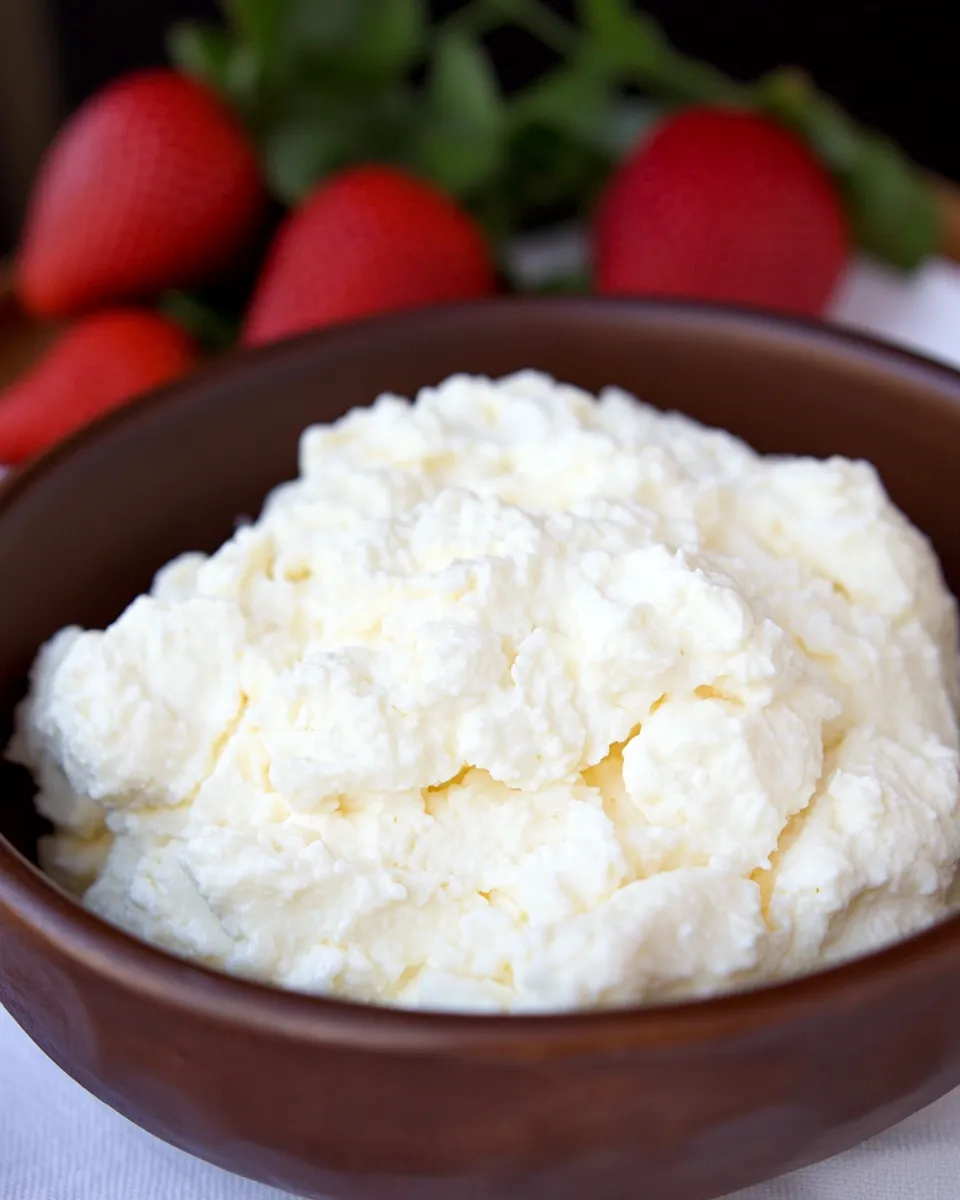
- Transfer the strained cheese to a bowl. At this point, you can season it with salt or herbs to taste. Store it in an airtight container in the refrigerator, where it will keep for about a week.
Notes
- Store the cheese in an airtight container in the refrigerator for up to a week.
- For a refreshing twist, add fresh herbs like dill or chives in warm weather.
- In cooler months, spices like smoked paprika or garlic powder can enhance flavor.
- This cheese is perfect for fillings in pierogi or stuffed pasta.
- Pair with seasonal fruits for a delightful breakfast or snack.